South and south-west · Goondiwindi 4390
Shipping containers Goondiwindi
Down on the Macintyre on the New South Wales border, and the furthest south-west we run regularly. Big cotton, big grain, big trucks — Goondiwindi is a serious agricultural town and the storage jobs here are scaled to match.
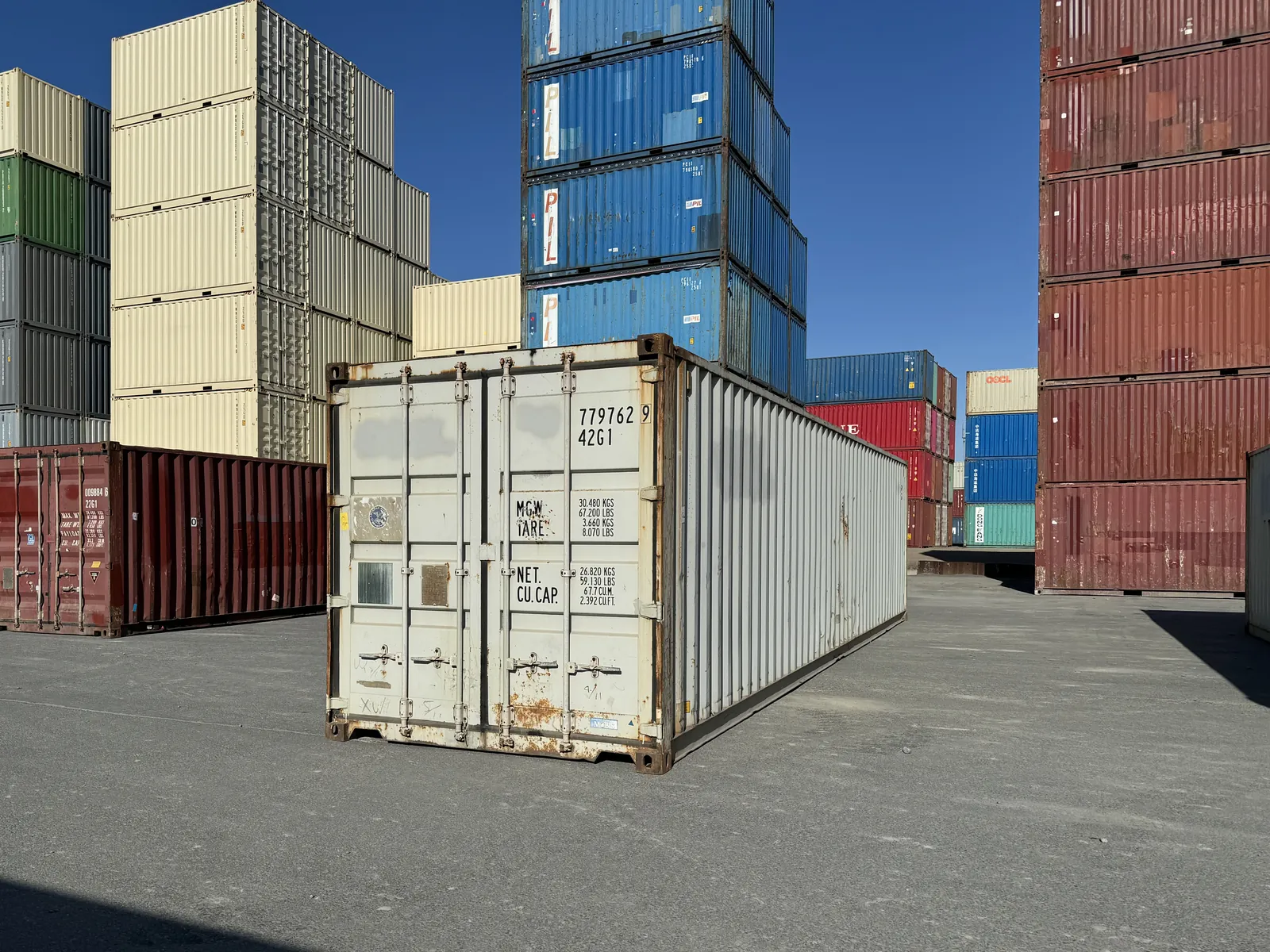
On Goondiwindi properties they end up holding
From Goondiwindi we mostly hear about cotton and grain season equipment, module and picker spares, chemical in compliant bunded units, workshop stores on properties running thousands of hectares, and storage for the transport operators working the border run. We'll point you at the cheapest grade the contents can live with, not the dearest one on the board.
Scale changes the answer
Most of what we deliver into the Goondiwindi district is 40ft or high cube, and often more than one. When an operation is running that much machinery, the storage question isn't whether a container helps, it's how many and where they go.
Worth asking about multiples on one run. Freight is largely a function of truck movements, so two units delivered together cost meaningfully less than two units delivered separately, and if there's a second one coming inside the year it's cheaper to bring it now.
The river, honestly
Everyone in this town knows what the Macintyre can do, so we'll be plain about the limits of a steel box. The wind and watertight rating on a cargo-worthy unit describes weather falling on it — storm, hail, driving rain. It says nothing about a river. Once a rise gets as far as the door gaskets it will be inside, and a sealed box then does the obvious thing and keeps the water in with your gear. Empty units float, too, and a floating one travels.
The advice that actually helps is about position and the ability to shift it. Pick the highest ground you have, keep it clear of the low country either side of the river, and stand it on solid packing under all four castings. Leave enough clearance around it for a truck to get a set of legs down, because that is the one thing a shed can never do — given warning, a unit can be picked up and moved somewhere safer. And when the clean-up starts, having somewhere secure and dry in the yard to put what survived is worth plenty on its own.
Ground and gates around Goondiwindi
Commercial and farm sites around Gundy are generally good country for a truck — the operations are big, the yards are built for machinery and there's room to work. The river is the thing worth talking about before anything else. The Macintyre has been over its banks more than once and the low country either side of it goes under, so where the container sits matters more here than how it gets there. We'll ask about height on the block early in the conversation, and we'd rather have that discussion than not.
If there's a grid, a culvert or a creek crossing between the road and the spot, tell us what it's rated for, or that you don't know. Gates, grids and black soil explains why it matters.
Field notes for this
Questions from Goondiwindi
Do you deliver to Goondiwindi and across the border?
Goondiwindi and the surrounding district are on our regular south-western run. If you're just over the Macintyre in New South Wales, ring and ask — it's often workable and the freight is usually better than people assume.
Will a container keep gear dry if the Macintyre rises?
No. The watertight rating covers weather falling on the unit, not a river climbing up it — a rise will get past the door gaskets and then the box keeps the water in. Empty units also float. Position is what saves your gear: highest ground available, well clear of the low country, standing on solid packing. Keep truck clearance around it and you can also have it shifted somewhere safer when there's warning.
What a container to Goondiwindi costs
| Unit | Cargo-worthy used, from | New single-trip, from | Hire, from |
|---|---|---|---|
| 10ft Containers | $4,350 | $6,400 | Ask |
| 20ft Containers | $2,200 | $3,300 | $27/wk |
| 40ft Containers | $2,600 | $5,500 | Ask |
Guide prices, ex GST. The delivered figure depends on which unit is on hand in the grade you want and how far the truck runs to your gate — ring (07) 4516 5999 for the actual number. We work out the truck to Goondiwindi when we price the unit, so you get one figure.
Also on our Downs list
ToowoombaDalbyWarwickChinchillaOakeyPittsworthEvery delivery area
Start a Goondiwindi enquiry
A few lines about the job is plenty. Photos of the gateway help if you have them.
- Size, or what has to fit inside
- Town or property name
- Gate width and the state of the ground, if you know them