General Purpose
General Purpose Shipping Containers
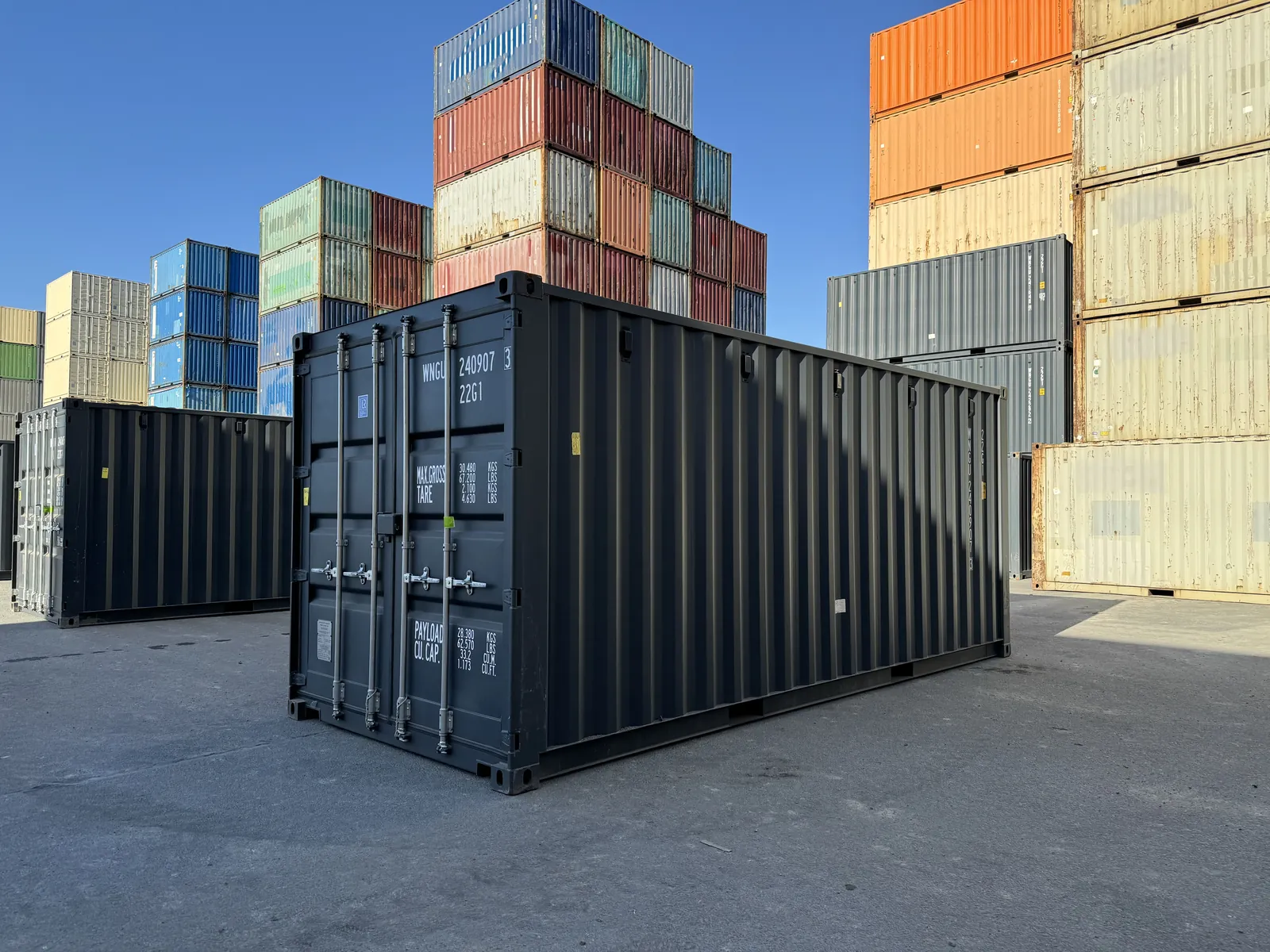
The everyday dry box, and the right buy for most properties. Steel walls and roof, a timber floor, cargo doors across one end — and, in cargo-worthy or new grade, checked to keep the weather out.
- New single-trip or checked cargo-worthy used
- Lengths of 10ft, 20ft and 40ft
- Cargo-worthy is checked wind and watertight before dispatch; as-is is cheaper and sold as seen
- A steel shroud over the padlock so bolt cutters can't reach it
- Pictures of the actual unit on request, before delivery
Guide prices
| Unit | Used, from | New, from |
|---|---|---|
| 10ft Containers | $4,350 | $6,400 |
| 20ft Containers | $2,200 | $3,300 |
| 40ft Containers | $2,600 | $5,500 |
Guide prices, ex GST. The delivered figure depends on which unit is on hand in the grade you want and how far the truck runs to your gate — ring (07) 4516 5999 for the actual number.
As-is grade: Buying as-is? Those units go as seen and carry no watertight promise. Only cargo-worthy and new single-trip stock is checked wind and watertight.
New, cargo-worthy and as-is on one page
| Grade | What you get | Watertight? | Suits on the Downs |
|---|---|---|---|
| New single-trip | One voyage out of the factory. Full paint, straight panels, perfect door seals. | Yes — sold wind and watertight | Site offices and workshop fit-outs, anything in view of the house, or a unit you expect to keep for decades |
| Cargo-worthy used | Retired from shipping-line service and checked before it leaves us: no daylight, a sound floor, doors that open and seal. | Yes — checked and sold wind and watertight | Workshop spares, bagged seed and fertiliser, household goods — most farm and house-block storage |
| As-is | Sold as seen. It may have patches, dents, a tired floor or doors that need persuading. | No — not sold watertight | Steel posts, droppers, scrap, a wind break beside the cattle yards — contents that don't mind the odd drip |
Buying a general purpose container on the Downs
What exactly is a general purpose container?
It's the ordinary dry-freight box, the ISO unit shipping lines use for everything that doesn't need refrigerating. Corten steel walls and roof on a steel frame, a timber floor over steel cross-members, a lifting casting at every corner, and double cargo doors at one end closed by four locking bars. Each one is built to be stacked high on a ship in open ocean, which is why it handles most of what a Downs summer throws at it.
The name separates it from the specialised units: high cubes with the extra foot of height, and dangerous goods containers, which are bunded and vented for chemical. For most storage, general purpose is the right box.
Which length suits a grain or cotton operation?
On a broadacre place the 40ft usually earns its keep. It takes palletised seed and bagged fertiliser, spare tines and points, belts and bearings for the header, and the irrigation fittings that otherwise end up in three sheds. Per cubic metre it's the cheapest steel you can buy.
A 20ft beside the workshop makes a tidy parts store, and it's the size most town and acreage buyers around Dalby and Toowoomba end up with. The 10ft is for tight suburban yards. It costs more than a 20ft because it's cut down from a larger unit and rebuilt.
How does it cope with Downs weather?
Summer afternoons in the forties and clear winter nights that frost the paddocks give a steel box a big daily temperature swing. That swing is what causes trouble, because warm air trapped inside condenses on the roof as it cools and drips onto whatever's underneath. Fit vents high at both ends, use moisture absorbers for anything that minds damp, and keep stored gear off the floor.
Dust is the other thing. Harvest and a dry westerly put fine dust into everything. A cargo-worthy unit with good door seals keeps most of it out, which is one more reason to buy a checked unit for anything that matters.
Where should it sit on black soil?
The Downs' black cracking clay shrinks when it dries and swells when it's wet. A container resting on four corner points can move out of level as the ground moves under it. Once it's out of square, the doors bind and stop sealing. Set it on concrete pads or compacted gravel under the corner castings rather than on bare soil, and check it's level after a wet season.
Choose ground that doesn't pond after rain, and leave a firm approach so a truck can come back if you ever move it. Our black soil guide covers the delivery side.
Should I buy or hire?
Hire suits jobs with an end date, such as a harvest, a shutdown, a build or a move. There's no capital tied up and nothing to sell afterwards. Buying suits anything that's staying, and a well-chosen used unit keeps much of its value if you ever sell it. See sales and hire for how the maths works out.
What happens at delivery?
Freight is quoted with the container, based on your address and what the truck will need there. A 10ft or 20ft usually arrives on a tilt-tray, and a 40ft comes on a sidelifter that needs firm, level standing for its legs. On black soil after rain, that sometimes means choosing a different day. The deliveries page and our access checklist cover what to prepare.
Ask about general purpose units
What's on hand changes — a call or the form gets you the current answer and a delivered price.
- Size, or what has to fit inside
- Town or property name
- Gate width and the state of the ground, if you know them